1 Stripping them of their rights - Mass incarceration in the US
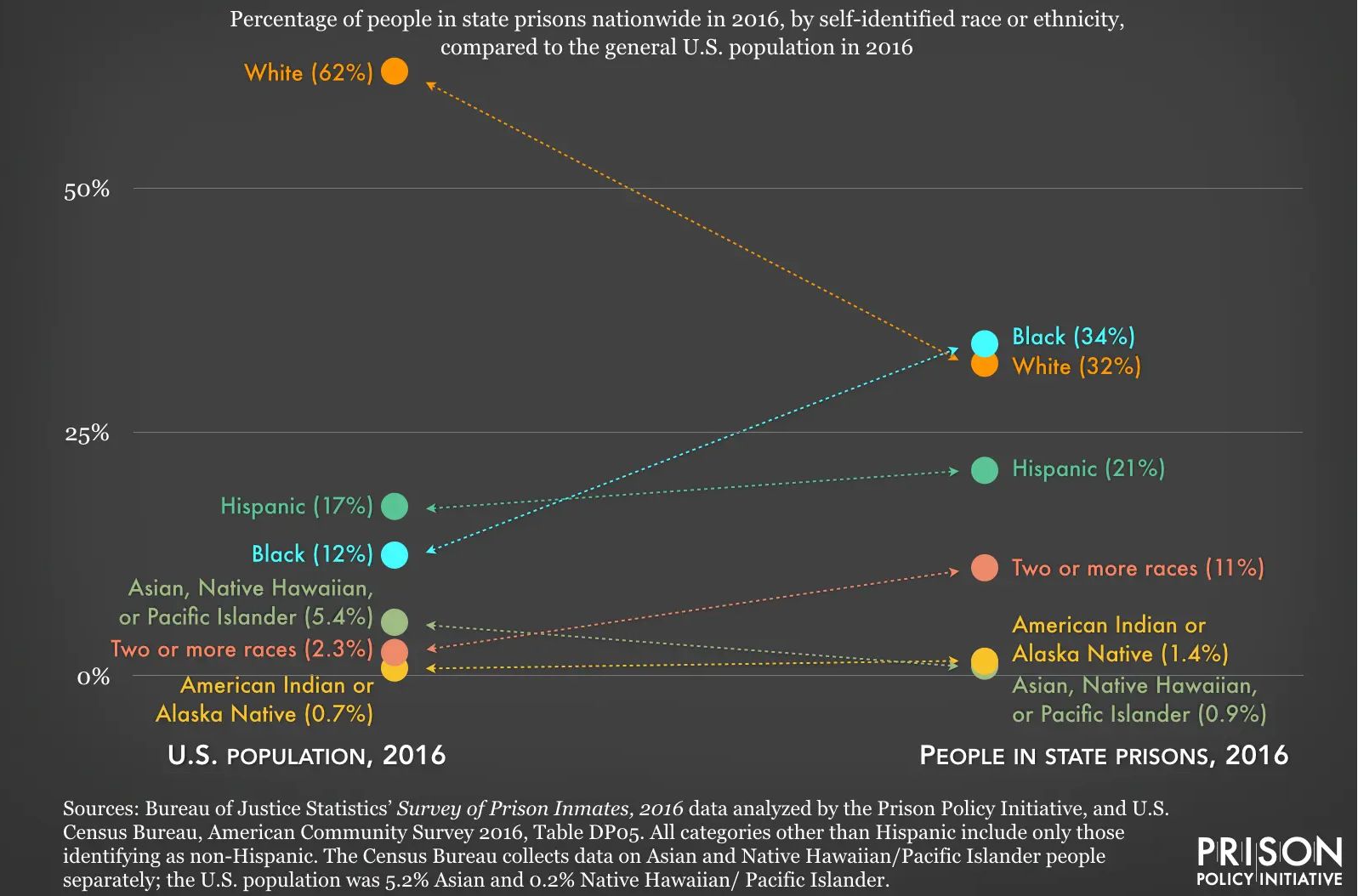
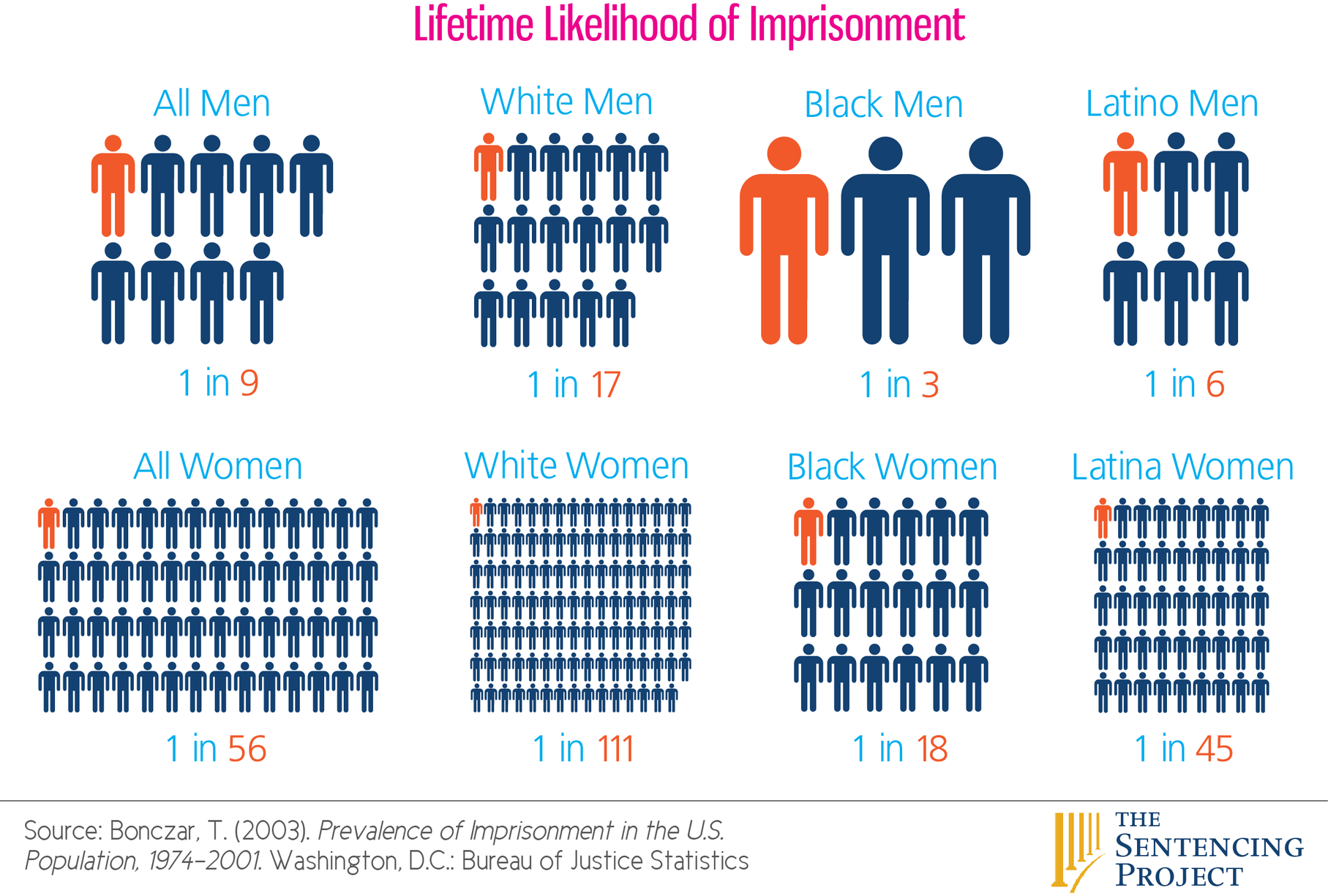
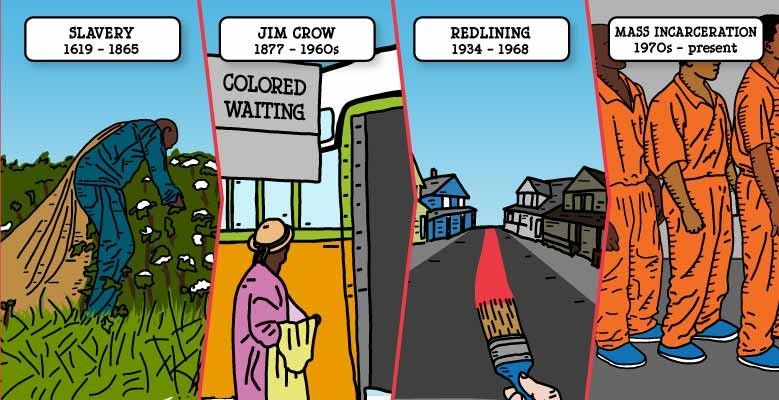
2 Slavery - Still an issue in 2023?
- Rephrase the amendment in your own words.
- Discuss potential consequences of the “loophole” in the amendment.
Neither slavery nor involuntary servitude , except as a punishment for crime whereof the party shall have been duly convicted, shall exist within the United States, or any place subject to their jurisdiction.
- Read the different statements and statistics.
- Highlight the three which are most surprising to you.
- Compare with your partner and comment.
Some States have no minimum age for prosecuting children as adults children under the age of twelve have been sent to adult jails and prisons to serve long prison terms
Annual value of work provided by prison laborers: $ 2 billion
Writing a bad check, committing a petty theft or being involved with drugs can result in life imprisonment
Average wage for prison laborers: $0.86 - $3.45 per day
In Texas, prisoners who refuse to work are often placed in solitary confinement
In some States, you permanently lose the right to vote if you have been to prison
Prison laborers are not allowed to form a union
Upon release, former prisoners face difficulties finding employment, housing and benefit from social welfare. They often end up homeless.
Spending on jails and prisons has risen from $ 6.9 billion in 1980 to nearly $ 80 billion today. In some States, the budget allotted to incarceration is three times higher than that for education.
(to) prosecute sb - (to) accuse sb in court
jail - for sb awaiting their trial or being held for minor crimes
prison - for sb having been found guilty of a major crime
solitary confinement - sb who is held in their cell all by themselves
a union - a community of people (e.g. workers) who engage themselves towards a certain objective
petty theft - a minor crime (e.g. stealing a handbag, a mobile phone)
social welfare - receiving money from the government when you are unemployed or poor
3 Institutionalized Racism
“[T]he perpetuation of discrimination on the basis of “race” by political, economic, or legal institutions and systems. According to critical race theory, [...] institutional racism reinforces inequalities between groups—e.g., in wealth and income, education, health care, and civil rights—on the basis of the groups’ perceived racial differences.“
- Stevenson, Bryan. Just Mercy. Spiegel and Grau, New York: 2014.
- https://www.prisonpolicy.org/reports/beyondthecount.html (accessed on 02/12/2023)
- https://www.wcasa.org/resources/areas-of-interest/systems/prison-rape-elimination-act-prea/ (accessed on 02/12/2023)
- https://www.prisonpolicy.org/prisonindex/overviewincarceration.html (accessed on 02/12/2023)
- https://money.cnn.com/infographic/economy/education-vs-prison-costs/ (accessed on 02/12/2023)
- https://www.prisonpolicy.org/blog/2017/04/10/wages/ (accessed on 02/12/2023)
- https://www.benjerry.com/whats-new/2019/08/slavery-to-mass-incarceration (accessed on 02/12/2023)
- https://www.britannica.com/topic/institutional-racism (accessed on 02/13/2023)
- https://joebiden.com/justice/